
"washed Harar coffee"
300 article(s) found

Introduction of Coffee Flavor description and processing method in Xidamo Chiso producing area of Ethiopia
Where is Sidamo in Ethiopia? the main producing areas of Ethiopian coffee are Harar in the east, Djimmah in the southwest and Sidamo in the south. The unique fragrance of Yirgacheffe comes from Yirga, a small town in the northwest of Sidamo province. Yejasuffe (Yir)
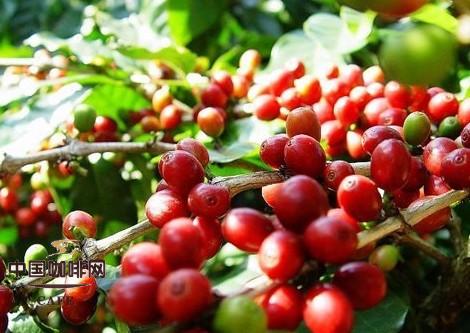
Ethiopian boutique coffee Ethiopian geographical environment Ethiopian coffee harvest fruity flavor in a year
Ethiopia's geographical environment is very suitable for coffee growth. Coffee is mainly grown in the southern highlands between 1100 and 2300 meters above sea level. The main coffee producing areas are Harar, Limu, Djimma, Sidamo, Kaffa, Yergacheffe and Wellega. The soil drainage in these areas is good.

Boutique coffee beans Ethiopian coffee the latest coffee introduces a unique flavor full of taste
Ethiopia's geographical environment is very suitable for coffee growth. Coffee is mainly grown in the southern highlands between 1100 and 2300 meters above sea level. The main coffee producing areas are Harar, Limu, Djimma, Sidamo, Kaffa, Yergacheffe and Wellega. The soil drainage in these areas is good.

There are several coffee farms in Ethiopia's coffee-producing countries
Grade of Ethiopian coffee: Ethiopian washed coffee Yega Chuefei G1 G2 Sidamo (Yirgacheffe, Sidamo) has the highest grades 2 and 3 (G2, G3), while sun-processed coffee in eastern Ethiopia is mostly grade 4 or 5 (G4, G5). In many cases, level 4 coffee is marked as level 5 in order to reduce taxes. At present, the classification is not uniform and there are

The plateau of Ethiopia, the birthplace of coffee culture, is the birthplace of coffee.
The highlands of Ethiopia are the birthplace of coffee. The traditional drying method is still used to produce mocha-Hara beans (Harrar,Harari,Harer or Harar) at an altitude of about 2,000 meters near Harrar in the east. Hara has a medium texture with a fruit wine-like flavor, and a good Hara is as wild as the best Yemenmoka. Dried beans from other areas, such as
Brief introduction of Coffee from Ethiopia
Lim G2 Ethiopia is the hometown of Arabica coffee, and you can see wild Arabica coffee in the forests of the Kaffa region. In Ethiopian, coffee is called Bun or Buna, and coffee beans (coffee bean) may be translated from Kaffa Bun. Arabica coffee has long been found in the Harald area, which is very accessible.

Ethiopia's highlands are the birthplace of coffee. Boutique coffee represents the region of Yega Shefi.
The Ethiopian plateau is the birthplace of coffee. In the east, near Harrar, the ancient capital, mocha beans (Harrar,Harari,Harer or Harar) are still produced by traditional drying methods at an altitude of about 2,000 meters above sea level. Halal's texture is medium, with a fruity, wine-like flavor, good Halal's wildness is comparable to the best Yemeni mocha. Dryness in other areas

Ethiopian coffee plantation with unique quality and moderate pH
Harar Coffee is produced in the eastern highlands of Ethiopia. It is medium bean-shaped and large

A brief introduction to the flavor and taste characteristics of Ethiopian coffee manor with rich alcohol thickness
In the West, Ethiopian coffee is generally sold on the market as Yega Feixidamo and Harald (Yirgacheffee, Sidamo and Harrar). The highest grades of Ethiopian washed coffee Yega Chuefei G1 G2 Sidamo (Yirgacheffe, Sidamo) are Grade 2 and Grade 3 (G2, G3), while most of the sun-processed coffee in eastern Ethiopia are Grade 4 or Grade 5 (G4, G5).
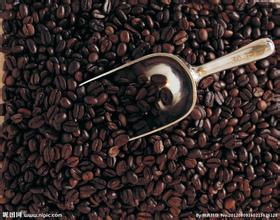
The Origin of Sidamo Coffee beans Fine Coffee
The main producing areas of Ethiopian coffee are Harald (Harar) in the east, Djimmah (southwest) and Sidamo (south). The unique fragrance of Yirgacheffe comes from Yirga, a small town in the northwest of Sidamo province. Yirgacheffe coffee raw beans are the world
The plateau of Ethiopia, a coffee producing area in the world, is the birthplace of coffee.
The highlands of Ethiopia are the birthplace of coffee. The traditional drying method is still used to produce mocha-Hara beans (Harrar,Harari,Harer or Harar) at an altitude of about 2,000 meters near Harrar in the east. Hara has a medium texture with a fruit wine-like flavor, and a good Hara is as wild as the best Yemenmoka. Dried beans from other areas, such as

A brief introduction to the Origin, Development, History and Culture of Fine Coffee beans in the aromatic Ethiopian Coffee Manor
In many cases, level 4 coffee is marked as level 5 in order to reduce taxes. The current classification is not uniform and messy, because there are also first-and second-tier (Grand G2) Yirga Cheffe processed by tanning, but the highest level of Harald (Harar) is level four (G4). The coffee-producing areas of Ethiopia are Sidamo, Harald and Yegashafi (

Latin American coffee beans specialty coffee origin
The Ethiopian plateau is the birthplace of coffee. In the east, near Harrar, the ancient capital, mocha beans (Harrar,Harari,Harer or Harar) are still produced by traditional drying methods at an altitude of about 2,000 meters above sea level. Halal's texture is medium, with a fruity, wine-like flavor, good Halal's wildness is comparable to the best Yemeni mocha. Dried beans from other regions

An introduction to the Coffee Culture in Ethiopia
In many cases, level 4 coffee is marked as level 5 in order to reduce taxes. The current classification is not uniform and messy, because there are also first-and second-tier (Grand G2) Yirga Cheffe processed by tanning, but the highest level of Harald (Harar) is level four (G4). The coffee-producing areas of Ethiopia are Sidamo, Harald and Yegashafi (

Ethiopian (mocha) coffee
The geographical environment of Ethiopia is very suitable for coffee growth. Mocha coffee is mainly grown in the southern highlands between 1100 and 2300 meters above sea level. The main coffee producing areas are Harar, Limu, Djimma, Sidamo, Kaffa, Yergacheffe and Wellega.
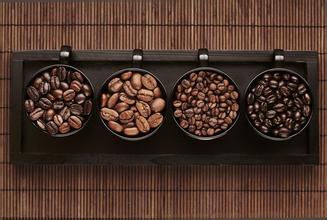
Sidamo coffee beans wash Sidamo boutique coffee beans Ethiopian plateau and other places
Ethiopia is the hometown of Arabica coffee, and it is in the forests of Kaffa that you can see wild Arabica coffee. In Ethiopian, coffee is called Bun or Buna, and coffee beans (coffeebean) may be translated from Kaffa Bun. Arabica coffee was discovered early in the Harar area and is likely to come.

Eight major producing areas of Ethiopia introduce how to drink Ethiopian Lim Limu coffee?
Professional coffee knowledge exchange more coffee bean information please follow the coffee workshop (Wechat official account cafe_style) Ethiopian coffee is mainly produced in eight major areas: Lekempti, Limu, Illubabor, Djimmah, Harar, Teppi/Bebeka, Sidamo, Yirgacheffe. Ethiopian coffee is highly rated in China, especially for Ethiopian coffee.

Ethiopian coffee brand
Following Cafe Review (Wechat official account vdailycom) found that Beautiful Cafe opened a small shop of its own. When it comes to Esther's coffee, you have to say TOMOCA coffee. Fresh TOMACO coffee beans, cooked beans, harar-long bean baked TOMACO coffee know that this coffee is really authentic. TOMACO is also a century-old brand of Ethiopia, go to Ethiopia and ask the best coffee.

Introduction to the method of regional treatment for the determination of coffee bean flavor in Ethiopia Yega Xuefei G2 washing cup
Ethiopia Yega Xuefei G2 washing cup coffee bean flavor description production area treatment method introduces that Ethiopia has coffee in different climatic zones, so it has more than 140 farm varieties, and fresh coffee is produced all the year round. The quality of Ethiopian coffee varies according to different elevations and regional ecological environment. Harald Coffee in the Southeast Heights is a typical mu

A brief introduction to the Market Price of Ethiopian Fine Sidamo Coffee varieties
The highest grades of Ethiopian washed coffee Yega Chuefei G1 G2 Sidamo (Yirgacheffe, Sidamo) are Grade 2 and Grade 3 (G2, G3), while most of the sun-processed coffee in eastern Ethiopia are Grade 4 or Grade 5 (G4, G5). In many cases, level 4 coffee is marked as level 5 in order to reduce taxes. At present, the grading is not uniform and messy, because there is also sun processing.